
Understand What Makes You Nervous | Recognizing the physical signs of anxiety can help manage anxiety. Identifying behavioral signs can reduce it.
Nervousness is a universal emotion we’ve all experienced in different forms and at various moments in our lives. It often creeps in uninvited, making our palms sweat, our heartbeat quicken, and our thoughts race. The specific triggers of nervousness can vary from person to person. The feeling is a natural response to uncertainty. It can also arise from pressure or fear of failure. Let’s explore what typically makes people nervous and think about why these situations hold such power over our emotions. (Understand What Makes You Nervous)
One of the most common sources of nervousness is public speaking. Standing in front of a crowd—whether it’s five people or five hundred—can trigger a surge of anxiety for many. The fear of being judged, making mistakes, or forgetting what to say often causes people to dread presentations or speeches. Even those who are otherwise confident find their composure shaken when all eyes are on them. It’s not just about speaking; it’s about being vulnerable, exposed, and responsible for capturing the attention of an audience. (Understand What Makes You Nervous)
High-stakes situations are another major nerve-wracking category. Job interviews, first dates, final exams, and competitive sports all fall into this group. In these moments, there’s usually a lot on the line: an opportunity, a goal, or a personal dream. The fear of failure can become overwhelming. You want to do your best, but the pressure can cloud your ability to focus or stay calm. It’s ironic, sometimes, the more something matters to you, the more it is to make you nervous.
Another scenario that can trigger nervousness is meeting new people, especially in unfamiliar environments. Social anxiety can kick in when you feel uncertain about how to behave. You wonder what to say or whether you’ll be accepted. It is attending a networking event, walking into a party alone, or even starting a new job. Our minds often imagine worst-case scenarios, saying something awkward, being judged, or feeling out of place, which fuels the discomfort. (Understand What Makes You Nervous)
Unexpected changes or stepping out of your comfort zone also bring about nervous feelings. Change, even when positive, involves risk. Moving to a new city, starting a new career, or trying something you’ve never done before stirs up nervous energy. There’s so much that’s unknown. You don’t have a clear roadway, and you’re unsure of how things will turn out. That uncertainty naturally makes people anxious.
Interestingly, even good news or exciting opportunities can make you nervous. Imagine getting accepted into your dream school. Picture receiving a promotion. Think about finally starting a project you’ve always wanted to do. The stakes feel higher, and the fear of not living up to expectations can start to creep in. Sometimes, it’s the fear of success itself. You worry about how life will change. New responsibilities will arise. You question whether you’re truly ready. (Understand What Makes You Nervous)
It’s important to note that nervousness isn’t always a bad thing. In many cases, it’s a sign that you care. It shows that you’re invested, that you’re pushing yourself beyond what’s comfortable. When channeled effectively, nervous energy can sharpen your focus and improve your performance. The key is learning to manage it through deep breathing. Preparation and positive self-talk are also useful. Simply acknowledging it rather than resisting it can help too. (Understand What Makes You Nervous)
In the end, what makes us nervous often mirrors what matters most to us. Nervousness can stem from the fear of failure, judgment, rejection, or change. It reminds us of our hopes, our goals, and our wish to grow. While it’s not always a pleasant feeling, it’s part of being human. Sometimes, it’s exactly what we need to step ahead with courage. (Understand What Makes You Nervous)
Visit our Etopcollection and “Dnyanjyot” educational websites.
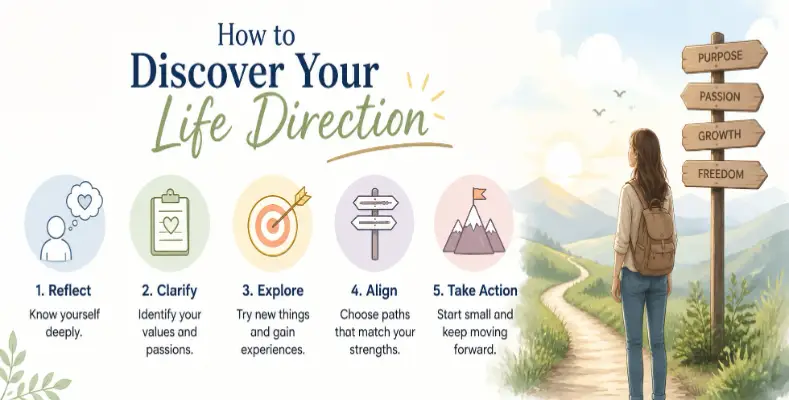
How to Discover Your Life Direction

B.A. in Home Science | गृहविज्ञानात बी.ए.

Nursing courses after 12th | १२वी नंतरचे नर्सिंग अभ्यासक्रम

Aapli paath aapnaas disat nahi | आपली पाठ आपणास दिसत नाही

B.A. in Applied Science | अप्लाइड सायन्स मधील बी.ए.
