
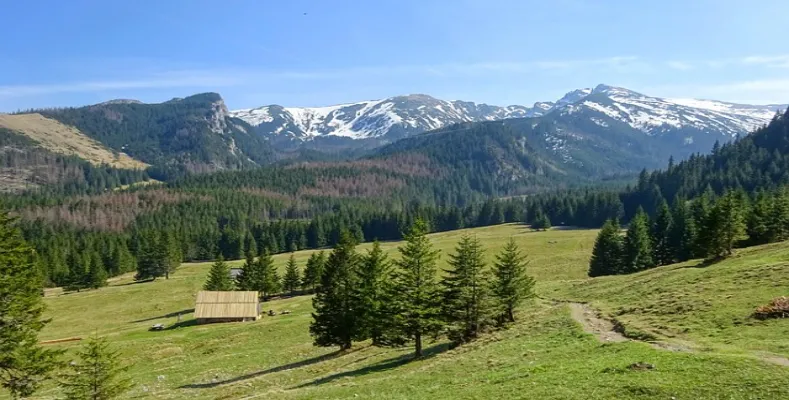
What is the importance of tourism? | Tourism increases revenue, creates jobs, and fosters infrastructure development.
Tourism plays a vital role in the economic, social, and cultural development of a country. As a multi-dimensional industry, it fosters economic growth, promotes cultural exchange, and facilitates the conservation of natural and historical resources. Here are some of the key reasons why tourism is essential for a country’s development: (What is the importance of tourism?)
Tourism is the activity of traveling to and staying in places outside your usual environment for leisure, business, or other purposes, typically for a limited period of time. It involves various services and industries like transportation, accommodation, food and beverage, entertainment, and attractions.
There are different types of tourism, including:
- Leisure tourism – Traveling for relaxation, sightseeing, and fun (e.g., beach vacations, cultural trips).
- Business tourism – Traveling for work-related purposes, like conferences or meetings.
- Eco-tourism – Traveling with a focus on nature and sustainability.
- Adventure tourism – Traveling for outdoor activities like hiking, climbing, or diving.
- Cultural tourism – Visiting places to experience history, art, and local traditions.
Economic Growth and Employment Generation
Tourism contributes significantly to a nation’s GDP. By attracting both domestic and international visitors, countries generate revenue from spending on accommodation, food, transportation, and entertainment. This, in turn, boosts local businesses and creates job opportunities across various sectors, including hospitality, travel, and retail. For many developing nations, tourism is a critical source of foreign exchange earnings.
Infrastructure Development
The growth of tourism often leads to the development of infrastructure such as airports, roads, public transportation, and utilities. These improvements not only enhance the tourist experience but also benefit local communities by providing better access to essential services and connectivity.
Cultural Exchange and Preservation
Tourism facilitates cultural exchange, helping people from different parts of the world understand and appreciate diverse traditions, languages, and lifestyles. This global interaction promotes tolerance and reduces cultural stereotypes. Additionally, tourism encourages the preservation of cultural heritage sites, traditional art forms, and historical monuments, as these become valuable attractions for visitors.
Environmental Conservation
Sustainable tourism can play a significant role in environmental conservation. Ecotourism initiatives, for example, promote the protection of natural habitats and biodiversity. Revenue generated through tourism often funds conservation projects and environmental education programs.
Strengthening Global Relations
Tourism fosters diplomacy and strengthens global relationships. International visitors act as informal ambassadors, building goodwill between nations. Tourism events, such as international festivals or sports competitions, further enhance a country’s global image. (What is the importance of tourism?)
Community Empowerment
Tourism provides opportunities for local communities to showcase their unique cultural and natural assets. It empowers artisans, performers, and entrepreneurs to share their skills and crafts with a global audience, fostering pride and self-reliance. (What is the importance of tourism?)
Promoting Regional Development
Tourism can drive development in remote or underdeveloped regions. By attracting visitors to rural areas, tourism stimulates economic activity and encourages the equitable distribution of resources across a nation.
Challenges and the Way Forward
While tourism offers numerous benefits, it also poses challenges such as overcrowding, environmental degradation, and cultural commodification. To maximize its positive impact, countries must adopt sustainable tourism practices that balance economic growth with environmental and social responsibility.
Governments, private enterprises, and communities should work together to create policies that promote eco-friendly tourism, protect cultural heritage, and ensure that the benefits of tourism are widely shared. Investments in technology, training, and infrastructure are essential to making the tourism sector resilient and future-ready. (What is the importance of tourism?)
Conclusion (What is the importance of tourism?)
Tourism is more than just leisure and entertainment; it is a catalyst for comprehensive development. By nurturing the tourism industry and managing its growth sustainably, countries can unlock its full potential to improve living standards, preserve cultural and natural treasures, and strengthen their position on the global stage. (What is the importance of tourism?)
- The most attractive place to visit
- What Countries do I Want to Visit?
- What Are Your Future Travel Plans?
Visit our Etopcollection and “Dnyanjyot” educational website.


