
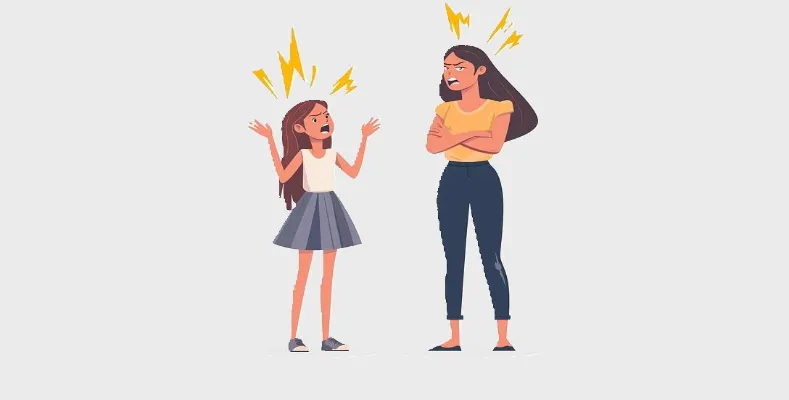
Reasons for Kids’ Misbehavior | Child maltreatment is behavior that goes against desired behavior, indicating unmet needs or emotional distress.
Understanding why kids misbehave is essential for parents, caregivers, and educators alike. Misbehavior is a natural part of childhood development, often signaling a need for attention, boundaries, or guidance. (Reasons for Kids’ Misbehavior)
While it can be frustrating at times, misbehavior typically stems from a combination of emotional, psychological, social, and environmental factors. By understanding the root causes, adults can respond more effectively and support their children’s emotional growth and well-being. (Reasons for Kids’ Misbehavior)
Table of Contents
Seeking Attention
One of the most common reasons children misbehave is to gain attention. Kids crave attention from their parents and caregivers, and they often use disruptive behaviors to get it.
Children are inclined to engage in behaviors they believe will make them the center of focus. It doesn’t matter if the attention is positive or negative. For example, a child can act out in class. They also act out at home. They think that throwing a tantrum or being disruptive will lead to a response.
This is particularly common in children who feel neglected. This is due to a busy household, sibling rivalry, or other family dynamics. When a child’s behavior is ignored, they escalate it further. They want to elicit any reaction from the adults around them. (Reasons for Kids’ Misbehavior)
Testing Boundaries
Children naturally explore their environment and test the boundaries set by their parents and caregivers. This is a critical part of their cognitive and emotional development. Misbehavior often occurs when children want to know how far they can push the limits before they face consequences.
This behavior is especially common in toddlers. It also occurs in early school-age children. They start to test their independence. They make sense of their power in the world around them. If they do not understand the reasons behind the rules, they will misbehave. They feel the rules are inconsistent and engage in misbehavior to figure out what’s acceptable and what’s not. (Reasons for Kids’ Misbehavior)
Emotional Regulation Issues
Young children, in particular, often struggle with emotional regulation. They do not yet have the skills to manage their emotions effectively. Frustration, anger, jealousy, or sadness can overwhelm them, causing outbursts or disruptive behavior. For example, a child who can’t express their emotions throws a tantrum when they’re upset or frustrated. For example, a child who can’t express their emotions throws a tantrum when they’re upset or frustrated.
As children grow and develop, they usually become better at managing their emotions. Yet, some kids struggle more than others and need extra guidance to regulate their emotional responses. Without this support, misbehavior can become an outlet for unaddressed emotions. (Reasons for Kids’ Misbehavior)
Lack of Sleep or Hunger
Sometimes, misbehavior can be linked to basic physical needs. A child who is tired or hungry can have difficulty controlling their impulses and behavior. Sleep deprivation can lead to irritability and mood swings.
It can also cause a lack of focus, making it easier for kids to act out. Similarly, hunger or low blood sugar levels can affect children’s self-control. This can cause them to become agitated or impulsive. In these cases, misbehavior is less about defiance. It is more about an unmet need. This need makes the child’s behavior unmanageable. (Reasons for Kids’ Misbehavior)
Wish for Control
Children, especially in their early years, are learning to navigate the world around them. They are also discovering their own sense of autonomy. As they begin to develop their identities and independence, they may act out in an attempt to assert control.
Misbehavior can occur when a child feels powerless or overly controlled by adults. For instance, a child will refuse to follow instructions. They will throw a tantrum when asked to do something. This happens simply because they want to exercise their autonomy and control their own choices. This is particularly true for children who feel they have little influence over their environment. It is also true when their choices are restricted. (Reasons for Kids’ Misbehavior)
Lack of Structure or Routine
Children thrive on routine and structure. A predictable schedule helps them feel secure, allowing them to expect what will happen next. When there is a lack of structure, whether at home or school, children act out.
They misbehave simply because they’re unsure of what is expected of them or feel disoriented by the unpredictability. Additionally, when kids do not have clear expectations, they become confused. Consistent consequences for their actions are necessary. Without them, they do not know what is acceptable and what is not. This confusion can lead to more frequent misbehavior. (Reasons for Kids’ Misbehavior)
Seeking Power and Control
Misbehavior can also stem from a child’s wish for power or control over a situation. This is particularly evident when children feel they are not being listened to. It also occurs when they are forced to do something against their will.
Power struggles are a natural part of child development. When a child feels constantly overruled or ignored, they engage in misbehavior. This is their way to gain some measure of control. This often occurs at bedtime, meal times, or during homework. During these times, the child resists doing what is asked. (Reasons for Kids’ Misbehavior)
Conclusion
Misbehavior in children is not simply about being “naughty” or disobedient. It is often a sign that children are trying to communicate something. This is their emotional need. It is also their wish for attention or their struggle to assert independence. (Reasons for Kids’ Misbehavior)
Understanding the reasons behind misbehavior helps parents and caregivers approach these situations with patience and empathy. With proper guidance, support, and structure, children can learn to express their needs in healthier ways. This ultimately leads to better behavior. It also improves emotional well-being.
- Parents’ Complaints About Their Kids
- What Candies are Good for Children?
- What were your parents doing at your age?
Visit our Etopcollection and “Dnyanjyot” educational website