
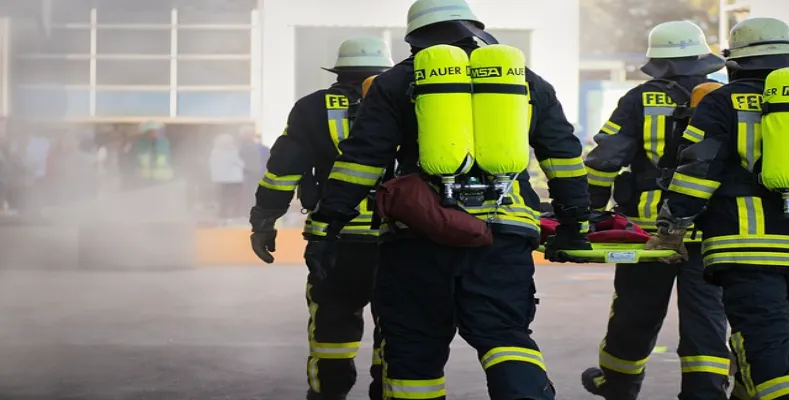
An Emergency Preparedness Plan | An emergency preparedness plan is crucial for mitigating the impact of unexpected events.
Emergencies can happen without warning, such as natural disasters, accidents, power outages, health crises, or even man-made threats. Having a well-thought-out emergency preparedness plan is crucial. It ensures you and your loved ones can respond quickly. Such a plan helps you stay safe. It also reduces the impact of the crisis. (An Emergency Preparedness Plan)
Here’s a structured approach to creating an effective plan:
Table of Contents
Find Potential Risks
- Assess local hazards: Consider natural disasters common to your region, like earthquakes, floods, cyclones, or wildfires.
- Include man-made risks: Chemical spills, fires, power failures, or security threats.
- Rank by likelihood & severity: This helps you focus your preparations on the most probable and damaging events. (An Emergency Preparedness Plan)
Create a Communication Plan
- Emergency contact list: Include family, friends, neighbors, doctors, schools, and local emergency services.
- Multiple communication ways: Store numbers in phones, but also have a printed copy.
- Meeting points: Choose two, one near your home for small emergencies and another farther away for larger disasters.
- Out-of-town contact: A relative in another city can serve as a central communication point if local lines are down. (An Emergency Preparedness Plan)
Assemble an Emergency Kit
Prepare a “Go Bag” that is easy to grab in an evacuation, and a “Stay Kit” for sheltering at home.
- Basic supplies: Drinking water (at least 3 liters per person per day). Include non-perishable food. Have a flashlight and extra batteries. Don’t forget a first aid kit. (An Emergency Preparedness Plan)
- Personal needs: Prescription medications, glasses, baby formula, pet food, sanitary products.
- Tools & safety items: Multi-tool, whistle, gloves, duct tape, masks, matches/lighter, and a local map.
- Important documents: Copies of IDs, insurance papers, and medical records in a waterproof pouch.
Plan for Special Needs
- Children: Make sure caregivers know your plan; pack comfort items and child-specific supplies.
- Elderly family members: Arrange mobility aids, medical devices, and backup power sources.
- People with disabilities: Consider evacuation assistance, special equipment, and accessible shelters.
- Pets: Find pet-friendly shelters or boarding facilities in advance. (An Emergency Preparedness Plan)
Learn Essential Skills
- First aid & CPR: These can save lives before professional help arrives.
- Fire safety: Know how to use a fire extinguisher and how to safely evacuate in smoke.
- Basic survival skills: Purifying water, signaling for help, and basic shelter setup.
Create a Home Safety Checklist
- Install smoke detectors and carbon monoxide alarms, and test them monthly.
- Secure heavy furniture and appliances to prevent tipping in earthquakes.
- Know how to shut off gas, water, and electricity. (An Emergency Preparedness Plan)
- Keep exits clear and make sure everyone knows the escape routes.
Practice Your Plan
- Family drills: Practice fire drills, earthquake drop-cover-hold, or evacuation routes twice a year.
- Role-play scenarios: Assign responsibilities, who grabs the kit, who checks on pets, who calls emergency contacts. (An Emergency Preparedness Plan)
- Review after practice: Find weaknesses and improve your plan.
Stay Informed
- Weather alerts: Use government apps or SMS alerts for real-time updates.
- Local emergency services: Know where shelters and relief centers are located.
- News & radio: Have a battery-powered or hand-crank radio for updates during power outages.
Review and Update Regularly
- Update contact lists, supplies, and plans at least once a year.
- Replace expired food, medicine, and batteries.
- Adjust plans when you move, change jobs, or have new family members.
Conclusion
An emergency preparedness plan is only effective if everyone in your household understands it. Discuss it openly, keep it accessible, and practice it often. When disaster strikes, preparation can make the difference between chaos and calm, and even between life and death. (An Emergency Preparedness Plan)
Visit our Etopcollection and “Dnyanjyot” educational website.