
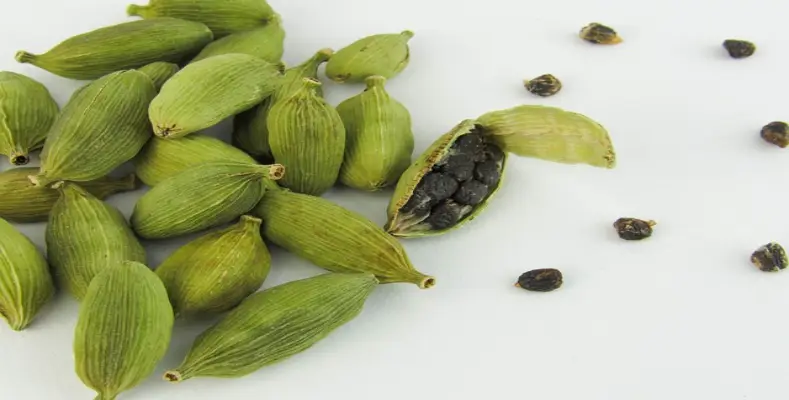
Why Chew Cardamom After Meals? Chewing cardamom after meals helps with digestion, stimulates digestive enzymes, and reduces bloating, gas, and indigestion.
Cardamom, often called the “Queen of Spices,” is a popular aromatic spice used in Indian households for centuries. Besides its culinary uses, cardamom holds an important place in traditional medicine and daily practices. One such practice is chewing cardamom after meals. More than just a habit for freshening breath, this small green pod offers several digestive, oral, and health benefits. Let’s explore in detail why chewing cardamom after meals is considered a healthy and beneficial practice. (Why Chew Cardamom After Meals?)
Table of Contents
A Natural Mouth Freshener
One of the most common reasons people chew cardamom after eating is its ability to remove bad breath. The essential oils found in cardamom, like cineole, have antibacterial properties that fight odor-causing bacteria in the mouth. Instead of relying on artificial mouth fresheners or chewing gum, choose cardamom. It provides a natural and chemical-free choice. This keeps your breath fresh and pleasant.
Aids in Digestion
Cardamom has long been used in Ayurveda to support digestion. After meals, chewing cardamom stimulates the secretion of digestive enzymes, helping the body break down food more efficiently. This reduces common issues like bloating, gas, and indigestion. By improving digestive activity, cardamom helps the body absorb nutrients better, leading to overall improved health.
Reduces Acidity and Heartburn
Many people experience acidity after eating, especially if the meal is heavy, oily, or spicy. Cardamom acts as a natural antacid by balancing stomach acid levels. Chewing it after meals can soothe the stomach lining and reduce the burning sensation caused by acid reflux. This makes it an excellent remedy for people prone to acidity problems.
Prevents Overeating Discomfort
Sometimes, after indulging in a big meal, people feel heaviness or discomfort. Cardamom works as a carminative, easing the movement of food through the digestive tract and preventing discomfort caused by overeating. Its mild diuretic properties also help flush out excess water and toxins, promoting a lighter feeling after a heavy meal. (Why Chew Cardamom After Meals?)
Supports Oral Health
Beyond fresh breath, cardamom also benefits oral hygiene. It contains compounds with antimicrobial properties that fight bacteria responsible for cavities and gum disease. Regular chewing of cardamom after meals can reduce the risk of infections and keep teeth and gums healthy. (Why Chew Cardamom After Meals?)
Relieves Nausea and Bloating
Meals that are too rich or heavy sometimes cause nausea or bloating. Cardamom’s soothing aroma and digestive properties help calm the stomach. Chewing a pod can relieve nausea and reduce excessive gas formation, making post-meal digestion smoother and more comfortable. (Why Chew Cardamom After Meals?)
Helps Detoxify the Body
Cardamom is rich in antioxidants that aid in detoxifying the body. After meals, chewing cardamom supports digestion. It also helps flush out toxins through urine due to its diuretic effect. Over time, this practice contributes to better kidney performance and overall cleansing of the body. (Why Chew Cardamom After Meals?)
Improves Mood and Relieves Stress
Interestingly, cardamom is also known for its calming effect on the mind. The essential oils in cardamom act as natural relaxants and can uplift mood. Chewing cardamom after meals doesn’t just help physically but also offers a refreshing mental boost, reducing stress and fatigue. (Why Chew Cardamom After Meals?)
Balances Doshas in Ayurveda
According to Ayurveda, cardamom helps balance the three doshas – Vata, Pitta, and Kapha. After meals, this balance is especially important to prevent imbalances that cause indigestion, acidity, or lethargy. Thus, cardamom is considered an effective spice for holistic well-being. (Why Chew Cardamom After Meals?)
Conclusion
Chewing cardamom after meals is a simple yet powerful practice rooted in tradition and science. Cardamom offers a range of benefits in just a tiny pod. It freshens breath and aids digestion. It also reduces acidity and supports oral health. Unlike artificial alternatives, it is natural, safe, and beneficial for overall health. Next time you finish your meal, reach for a pod of cardamom. Your stomach will thank you. Your mouth will thank you. Even your mood will thank you for it. (Why Chew Cardamom After Meals?)
Note: The information and suggestions in the article are for general informational purposes only. They should not be construed as professional medical advice. Always consult your doctor or dietitian before making any changes to your diet.
Visit our Etopcollection and “Dnyanjyot” educational websites.