
How to cope with the time to say goodbye | Coping with the time of saying goodbye involves acceptance. It is a normal part of life’s transitions.
Saying goodbye is one of life’s most emotional experiences. Parting ways with a loved one can feel overwhelming. Leaving a job or moving to a new city adds to this feeling. Grieving the loss of someone special is also a challenging process. Learning how to cope with the time to say goodbye is essential for emotional healing and personal growth. In this guide, we’ll explore practical and compassionate ways to navigate this difficult transition.
Table of Contents
Acknowledge Your Emotions
The first step in coping with goodbye is allowing yourself to feel. Sadness, anger, confusion, fear, or even relief are all natural responses. Suppressing emotions can prolong pain. Instead, accept that goodbyes are deeply personal experiences.
Many people think about stories like the farewell moments in the movie Toy Story 3. In these moments, characters confront change and separation. They do so with honesty and vulnerability. These moments resonate because they mirror real life—letting go is never easy, but acknowledging emotions helps us move ahead.
Understand That Change Is Inevitable
Goodbyes are often tied to change. While change can feel uncomfortable, it is also necessary for growth. Life constantly evolves—relationships shift, careers develop, and circumstances transform.
Even in literature, like The Fault in Our Stars, goodbye becomes a powerful reminder. Every relationship, no matter how brief, leaves a lasting impact. Accept that change is part of the human journey. This can help you reframe goodbye as a transition. It is not just a loss. (How to cope with the time to say goodbye)
Express What You Feel
If possible, communicate your feelings before parting. Whether through a heartfelt conversation, a handwritten letter, or a meaningful gesture, expressing gratitude and appreciation provides closure.
Unspoken words often lead to regret. Saying “thank you,” “I’m sorry,” or “I’ll miss you” can ease emotional burdens. Clear communication ensures that both parties leave with understanding and peace.
Create Meaningful Rituals
Rituals can offer comfort during farewells. This is organizing a farewell dinner, visiting a favorite place together, or creating a memory book. Rituals offer structure in emotionally chaotic moments and help mark the transition respectfully.
In some cultures, goodbye ceremonies are deeply symbolic. For example, in cities like Kyoto, traditional practices often emphasize honoring transitions with mindfulness and gratitude. While your ritual doesn’t need to be elaborate, intentional acts can bring emotional relief. (How to cope with the time to say goodbye)
Focus on Gratitude Instead of Loss
Instead of concentrating solely on what you are losing, think about what you gained. What lessons did the relationship or experience teach you? How did it shape who you are today?
Gratitude shifts your mindset from despair to appreciation. This doesn’t remove sadness, but it balances it with positivity. Remember, every goodbye carries memories that stay part of your life story.
Stay Connected (If Possible)
Not all goodbyes are permanent. Technology makes it easier than ever to keep connections across distances. Video calls, social media, and messaging apps help bridge physical gaps.
Moving to a bustling place like New York City can be challenging. Staying in touch with loved ones back home can ease loneliness. It helps preserve bonds. Making plans for future visits also provides something to look forward to. (How to cope with the time to say goodbye)
Allow Yourself Time to Heal
Healing from goodbye doesn’t happen overnight. Everyone processes loss differently. Be patient with yourself and avoid comparing your emotional timeline with others.
Grief experts often suggest journaling, therapy, or support groups to process intense emotions. Seeking help is a sign of strength, not weakness. (How to cope with the time to say goodbye)
Embrace New Beginnings
Every goodbye opens the door to something new. While it may not feel comforting at first, transitions create space for growth, fresh relationships, and new opportunities.
Consider how many inspiring journeys begin with a farewell. Change can be the catalyst that pushes you toward personal development, new passions, and unexpected joy. (How to cope with the time to say goodbye)
Practice Self-Care
During emotional transitions, self-care becomes crucial. Focus on sleep, balanced meals, exercise, and relaxation techniques like meditation or deep breathing. Physical well-being directly impacts emotional resilience.
Engaging in activities you enjoy—reading, traveling, painting, or spending time in nature—can also offer emotional stability during difficult times. (How to cope with the time to say goodbye)
Accept That It’s Okay to Let Go
Finally, understand that letting go does not mean forgetting. It means accepting that a chapter has ended while carrying its lessons ahead. Goodbye is not the erasure of love or meaning; it is the recognition that life continues. (How to cope with the time to say goodbye)
Conclusion
Learning how to cope with the time to say goodbye is a journey of emotional acceptance, reflection, and growth. While farewells can be painful, they also highlight the beauty of connection and the importance of cherishing moments. By acknowledging your feelings, expressing gratitude, practicing self-care, and embracing change, you can navigate goodbyes with strength and grace.
Remember, every ending is also a beginning. With time, patience, and self-compassion, healing becomes possible—and hope returns. (How to cope with the time to say goodbye)
- Incidents of Unintentional Lawbreaking
- Why Your Future Might Be Preordained?
- Life Experiences Shape Personal Growth
Visit our “Etopcollection” and an educational website “Dnyanjyot“

Basic Computer Course | बेसिक कॉम्प्युटर कोर्स
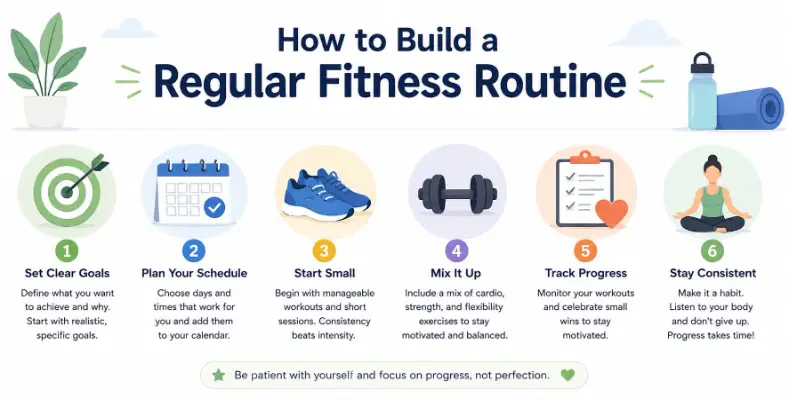
How to Build a Regular Fitness Routine

Computer and IT Courses | संगणक आणि आयटी कोर्सेस

Khali Mundi, Paatal Dhundi | खाली मुंडी, पाताळ धुंडी

Web Development | वेब डेव्हलपमेंट
