
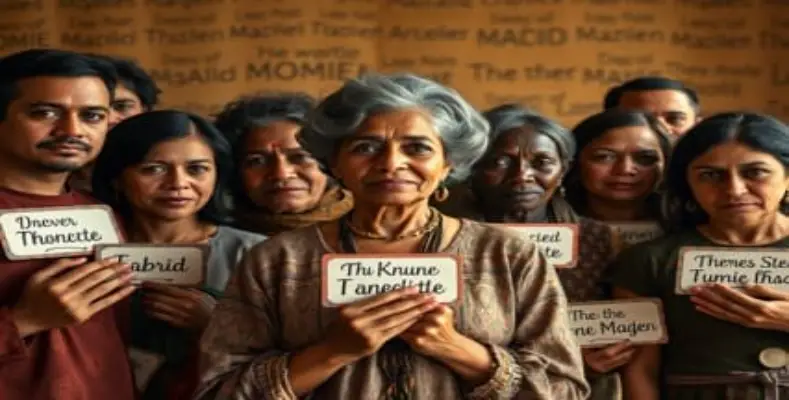
The legacy of naming is extremely important. It establishes identity. It connects individuals to their ancestral heritage. It builds self-awareness.
Naming is one of the most profound acts humans engage in. It is far more than a simple label—it is a vessel of identity, history, culture, and meaning. We give names to people and places. We also have title ideas and movements. Naming carries a legacy that shapes perception, memory, and even destiny. (The Legacy of Naming)
Table of Contents
Naming as Identity Formation
At its core, a name is deeply tied to identity. When a child is named, they get more than just a word to be called by. They often gain a sense of belonging. Names can show family traditions, religious beliefs, or cultural heritage. They act as an anchor, connecting individuals to their roots. In many cultures, names are chosen with great care. They often carry meanings like strength, wisdom, or hope. These are qualities parents wish to see in their children.
Cultural and Historical Significance
Names often carry stories of the past. They preserve language, commemorate ancestors, and show historical events. For instance, place names reveal ancient settlements, geographical features, or colonial influences. Over time, these names become living records, helping societies remember where they came from. Even when languages evolve or fade, names often stay, acting as cultural artifacts that resist the passage of time. (The Legacy of Naming)
Power and Authority in Naming
The act of naming is also an exercise of power. Historically, those in positions of authority have named lands, people, and even concepts, often shaping how they are perceived. Colonization, for example, involved renaming territories, which sometimes erased indigenous identities and histories. Similarly, naming in science—like the classification of species—reflects human attempts to categorize and control understanding of the natural world. This power to name often determines whose perspective is remembered and whose is marginalized. (The Legacy of Naming)
Naming and Perception
Names influence how we see and interpret the world. A name can evoke emotions, create associations, and shape expectations. For instance, the name of a product can decide its success in the market. Naming a social issue can influence public opinion. Words carry connotations, and choosing one term over another can subtly guide how people think and respond. In this way, naming is not neutral—it is deeply tied to communication and persuasion. (The Legacy of Naming)
Personal Legacy and Memory
Names are also central to how individuals are remembered. Monuments, awards, and institutions are often named after people to honor their contributions and guarantee their legacy endures. Even within families, names are passed down through generations, keeping the memory of loved ones alive. A name, in this sense, becomes a bridge between the past and the current, allowing stories to be carried on.
Evolution and Change in Naming
Despite their enduring nature, names are not fixed. Societies evolve, and so do naming practices. People change their names to show new identities, beliefs, or life stages. Movements for social justice have also led to the renaming of places and institutions to better represent inclusivity and truth. This evolution highlights that naming is not just about preservation—it is also about adaptation and growth. (The Legacy of Naming)
The Emotional and Symbolic Weight of Names
Names often carry deep emotional significance. They can represent love, loss, aspiration, or struggle. For many, hearing or speaking a particular name can evoke powerful memories or feelings. This emotional weight makes naming a deeply personal and meaningful act. This emotional connection also explains why disputes over names are so intense. Whether they are about people, places, or ideas, these disputes touch on identity and values. (The Legacy of Naming)
Conclusion
The legacy of naming is vast and multifaceted. It shapes identities, preserves histories, reflects power dynamics, and influences perception. Names are not just words; they are symbols filled with meaning and intention. As society continues to evolve, so too will the ways we name and understand the world around us. Recognizing the importance of naming encourages us to approach it with thoughtfulness and respect. Every name carries a story, and each story contributes to a larger human legacy. (The Legacy of Naming)
- Effective Morning Rituals
- How the pandemic has changed our lives
- Things that most people don’t understand
Visit our Etopcollection and “Dnyanjyot” educational websites.