
Know the Biodiversity in Maharashtra. Biodiversity includes all living things, from genes and microorganisms to plants, animals, and fungi.
Biodiversity is the incredible variety of all life on Earth. It encompasses the diversity of species, genetic variation, and the diversity of ecosystems. Everything, from genes to microorganisms and forests, is interconnected. It is crucial for sustaining life. It provides essential services like clean air, food, and medicine. It ensures the health of the planet.
Maharashtra is located in the western region of India. It is renowned for its rich biodiversity. The region boasts lush forests, sprawling grasslands, and diverse aquatic ecosystems. The state’s geographical and climatic diversity supports a wide array of flora and fauna. This diversity makes it a hotspot for biodiversity conservation in India.
Table of Contents
Geographical and Climatic Features
Maharashtra spans an area of 307,713 square kilometers and exhibits diverse landscapes, including:
- Western Ghats: This mountain range is a UNESCO World Heritage Site. It is one of the eight “hottest hotspots” of biological diversity in the world.
- Deccan Plateau: Characterized by semi-arid grasslands and unique ecosystems.
- Coastal Areas: Stretching along the Arabian Sea, these regions feature mangroves and estuarine habitats.
The climate varies from humid coastal areas to arid interiors, further enhancing the state’s ecological diversity. (Know The Biodiversity in Maharashtra)
Flora
The vegetation in Maharashtra is diverse, encompassing tropical evergreen forests, deciduous forests, mangroves, and scrublands. Key forested areas include:
- Tadoba-Andhari Reserve: Known for its teak and bamboo forests.
- Bhima River Basin: Home to rare plant species like Chlorophytum borivilianum (safed musli).
- Western Ghats: Rich in endemic species like Hopea ponga and Gluta travancorica.
- (Know The Biodiversity in Maharashtra)
Fauna
Maharashtra is home to a wide variety of wildlife, including iconic species like:
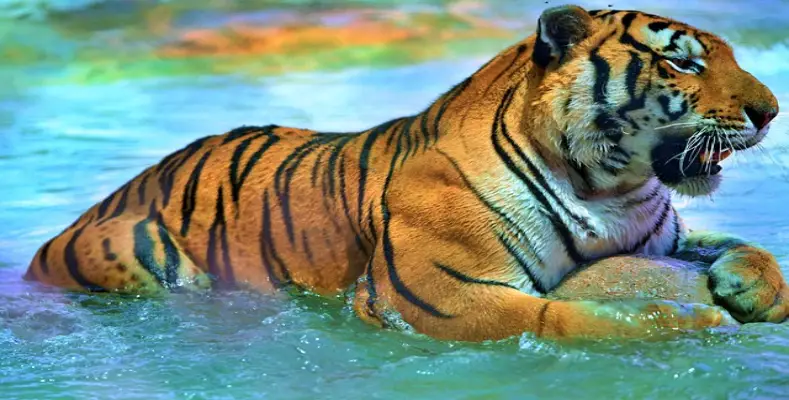
- Mammals: Bengal tiger, Indian leopard, gaur (Indian bison), and sloth bear.
- Birds: Great Indian bustard (critically endangered), Malabar pied hornbill, and Indian peafowl.
- Reptiles: Indian rock python and king cobra. (Know The Biodiversity in Maharashtra)
- Aquatic Life: Diverse fish species, along with the endangered Gangetic dolphin in certain river systems.
Protected Areas
Maharashtra has many national parks, wildlife sanctuaries, and conservation reserves:
- National Parks: Tadoba-Andhari, Sanjay Gandhi (Borivali), Navegaon.
- Wildlife Sanctuaries: Bhimashankar, Karnala, and Koyna.
- Reserved Forests and Conservation Areas: These include the Melghat Tiger Reserve and Radhanagari Wildlife Sanctuary. (Know The Biodiversity in Maharashtra)
Mangroves and Coastal Biodiversity
The coastal regions, especially in Mumbai and Raigad, have extensive mangrove forests. These are vital for protecting against coastal erosion. They also support marine life. Species like the grey mangrove (Avicennia marina) dominate these ecosystems. (Know The Biodiversity in Maharashtra)
Threats to Biodiversity
Despite its rich natural wealth, Maharashtra faces several challenges:
- Urbanization: Rapid development, especially around Mumbai and Pune, leads to habitat loss.
- Deforestation: Illegal logging and agricultural expansion threaten forested regions.
- Pollution: Industrial and agricultural runoff contaminates rivers and aquatic ecosystems.
- Poaching and Human-Wildlife Conflict: Encroachment into wildlife habitats has increased conflicts and endangered species. (Know The Biodiversity in Maharashtra)
Conservation Efforts
The government and various NGOs are working to preserve Maharashtra’s biodiversity through:
- Legislation: Strict enforcement of the Wildlife Protection Act (1972).
- Afforestation Programs: Projects aimed at replanting native species.
- Community Participation: Involving local communities in eco-tourism and conservation projects.
- Education and Awareness: Campaigns highlighting the importance of biodiversity.
- (Know The Biodiversity in Maharashtra)
Conclusion
Maharashtra’s biodiversity is an invaluable resource that requires coordinated efforts for its preservation. By balancing development with sustainable practices, the state can guarantee that its natural heritage thrives for generations to come. (Know The Biodiversity in Maharashtra)
Visit our Etopcollection and “Dnyanjyot” educational website