Restoring Faith in Humanity | How small acts of kindness can change the world. Small acts of kindness inspire hope and transform the world.
In a world filled with conflict, negativity, and uncertainty, it can sometimes feel as though humanity is losing its sense of compassion. However, beneath the noise are countless people choosing kindness, helping strangers, and standing together during difficult times. Restoring faith in humanity begins with recognizing these positive actions and understanding that even small gestures can make a meaningful difference.
Table of Contents
Kindness Still Exists Everywhere
Kindness does not always make headlines, but it happens every day. Someone may help an elderly person cross the road, pay for a stranger’s meal, or simply listen to someone having a difficult day. These seemingly ordinary actions remind us that compassion remains an important part of human nature.
Helping Others Without Expecting Anything
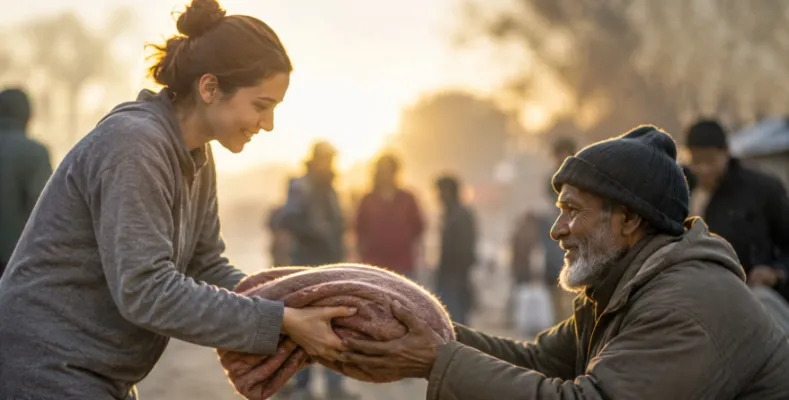
One of the strongest examples of humanity is helping others without expecting a reward. Volunteers who support disaster victims, people who donate essential supplies, and strangers who offer assistance demonstrate that genuine generosity still exists. Such actions prove that people are capable of putting another person’s needs before their own.
Standing Together During Difficult Times
Natural disasters, accidents, and other crises often reveal the best side of humanity. Communities come together to provide food, shelter, financial support, and emotional comfort. In challenging moments, differences such as age, background, or social status often become less important, while solidarity becomes stronger.
The Power of Small Acts
Restoring faith in humanity does not require extraordinary achievements. A smile, a kind word, sharing knowledge, offering encouragement, or checking on a friend can brighten someone’s day. Small acts may seem insignificant individually, but when repeated by millions of people, they can create a culture of kindness.
Choosing Empathy Over Judgment
Modern life can encourage people to make quick judgments about others. Empathy teaches us to pause and consider what someone else might be experiencing. Instead of immediately criticizing a person’s mistakes or circumstances, understanding their struggles can create stronger and more compassionate communities. (Restoring Faith in Humanity)
Inspiring the Next Generation
Children learn about humanity through the behavior they observe. When parents, teachers, and communities demonstrate generosity, respect, and empathy, young people are more likely to adopt these values. Teaching kindness today can help create a more caring society tomorrow. (Restoring Faith in Humanity)
Social Media Can Spread Positivity
Although social media is often criticized for spreading negativity, it can also connect people and inspire positive change. Stories of generosity, rescue efforts, community support, and acts of courage can remind millions that goodness still exists. Sharing uplifting stories responsibly can encourage others to follow the same path. (Restoring Faith in Humanity)
Everyone Can Make a Difference
Restoring faith in humanity is not someone else’s responsibility. Every individual has the power to contribute. We can support people in need, treat others respectfully, forgive mistakes, protect the vulnerable, and speak up against cruelty. Meaningful change often begins with one person making one compassionate choice. (Restoring Faith in Humanity)
Conclusion
Faith in humanity is restored not by ignoring the world’s problems but by noticing the goodness that exists alongside them. Every act of kindness, no matter how small, sends a powerful message: people still care about one another. By choosing empathy, generosity, and compassion in our everyday lives, we can become part of the positive change we hope to see in the world. Humanity’s greatest strength has always been its ability to care—and that strength is still alive. (Restoring Faith in Humanity)
Visit our Etopcollection and “Dnyanjyot” educational website.