
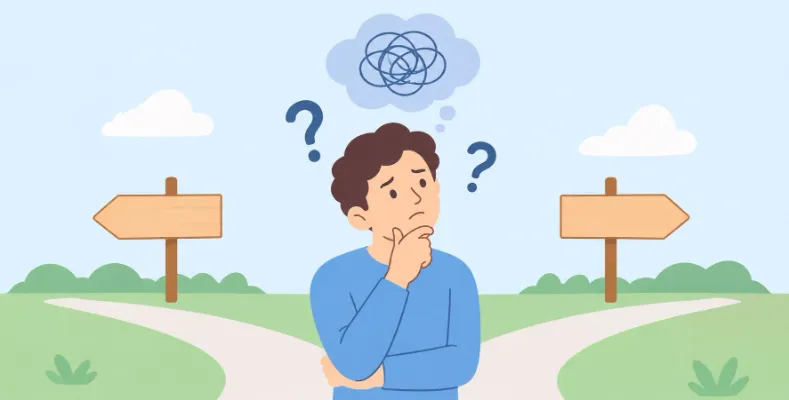
How Do You Deal With Uncertainty? | It explores the inherent unpredictability of life and offers practical strategies for managing anxiety associated with it.
Uncertainty is a natural part of life. Whether it involves your career, relationships, finances, health, or future plans, not knowing what will happen can create stress and anxiety. While you cannot control every outcome, you can learn how to manage uncertainty in a healthy and practical way. Here are some effective strategies to help you stay calm, focused, and confident when life feels unpredictable. (How Do You Deal With Uncertainty?)
Table of Contents
Accept That Uncertainty Is Normal
The first step is accepting that uncertainty cannot always be eliminated. Trying to predict or control every situation often increases stress. Instead, remind yourself that change and unexpected events are normal parts of life. Acceptance allows you to focus your energy on what you can actually influence.
Focus on What You Can Control
When you feel uncertain, separate controllable factors from uncontrollable ones. You may not know what will happen tomorrow, but you can control your preparation, decisions, attitude, and actions today. Concentrating on these areas can reduce unnecessary worry and give you a greater sense of control.
Avoid Overthinking Every Possibility
Uncertainty often encourages people to imagine the worst possible outcome. Constantly analyzing different scenarios can make anxiety worse rather than providing solutions. When you notice yourself overthinking, pause and ask: “Is this thought helping me solve a problem, or is it simply making me more worried?”
Take Small, Practical Steps
You do not need to have a complete plan before taking action. Break uncertain situations into smaller steps. For example, if you are unsure about your career, you could research opportunities, improve your skills, update your resume, or speak with someone experienced in your field. Small actions create momentum and confidence. (How Do You Deal With Uncertainty?)
Stay Present
Worry often comes from thinking too far into the future. Mindfulness can help you return your attention to the present moment. Take a few slow breaths, observe your surroundings, and focus on what you need to do right now. Staying present can prevent future possibilities from overwhelming you. (How Do You Deal With Uncertainty?)
Prepare Without Obsessing
Preparation can make uncertainty easier to handle. Create a backup plan, organize important information, or save resources when appropriate. However, avoid preparing endlessly in an attempt to guarantee a perfect outcome. The goal is to become prepared, not to control everything. (How Do You Deal With Uncertainty?)
Talk to Someone You Trust
Sharing your concerns with a trusted friend, family member, mentor, or professional can provide a fresh perspective. Sometimes simply expressing your worries can make them feel more manageable. Other people may also help you identify solutions that you could not see on your own. (How Do You Deal With Uncertainty?)
Build Confidence in Your Ability to Adapt
Instead of asking, “How can I make sure nothing goes wrong?”, ask, “If something goes wrong, how can I handle it?” This shift in thinking builds resilience. You may not be able to predict every challenge, but you can develop the confidence to respond when challenges appear. (How Do You Deal With Uncertainty?)
Conclusion
Dealing with uncertainty does not mean eliminating fear or having all the answers. It means learning to move forward despite not knowing exactly what lies ahead. By accepting uncertainty, focusing on what you can control, avoiding excessive overthinking, staying present, and taking practical action, you can handle unpredictable situations with greater confidence. Remember, you do not need certainty to make progress—you only need the courage to take the next step. (How Do You Deal With Uncertainty?)
- Top 7 Life-changing Tips
- Messages from Tomorrow
- Restoring Faith in Humanity
- Master of Hotel Management
- Believable Conspiracy Theories
Visit our Etopcollection and “Dnyanjyot” educational website.