


1. Start Preparing Early
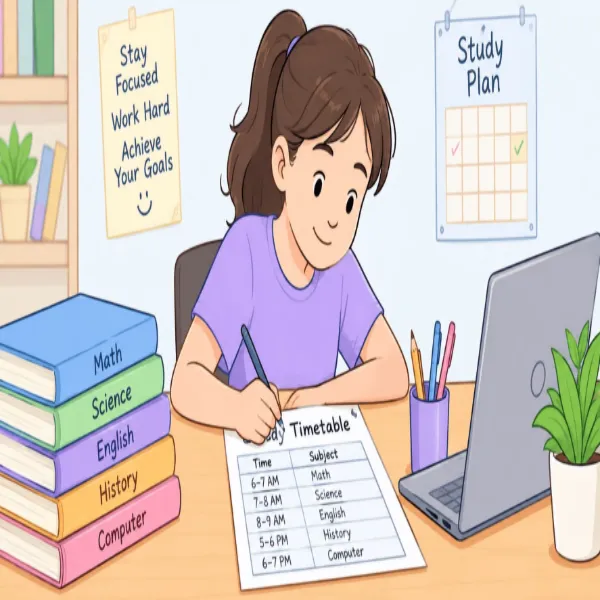
One of the best ways to face an exam confidently is to avoid last-minute preparation. Start studying as early as possible and divide your syllabus into smaller, manageable sections. Create a realistic study schedule that includes:
- Daily study targets
- Revision time
- Practice tests
- Short breaks
- Adequate sleep
Early preparation gives you enough time to understand difficult topics and revise important concepts without unnecessary pressure.
2. Understand the Exam Pattern
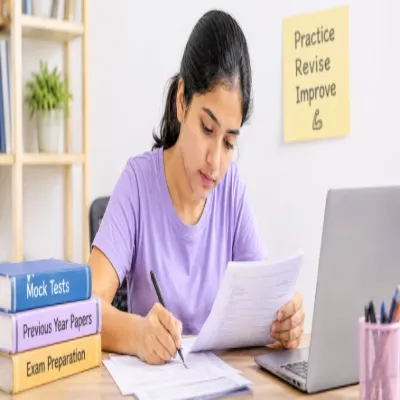
Before you begin intensive preparation, understand the exam pattern, syllabus, marking scheme, question types, and time limit. Knowing what to expect can significantly reduce anxiety.
Solve previous-year question papers and sample papers to identify frequently asked topics. This also helps you understand which sections require more attention. (How to Face the Exam)

3. Create an Effective Study Plan
A good study plan keeps your preparation organized. Prioritize difficult and high-weightage subjects while regularly revising topics you have already studied. Try the following approach: Learn → Practice → Revise → Test → Analyze
After every practice test, identify your mistakes. Don’t simply check your score—understand why you made each mistake and work on that weakness. (How to Face the Exam)

4. Practice Time Management
Knowing the answer is not enough if you cannot complete the paper on time. Practice answering questions within a fixed time limit. During mock tests, simulate real exam conditions. Keep your phone away, follow the actual time limit, and avoid unnecessary interruptions. Good time management helps you:
- Attempt more questions
- Avoid rushing at the end
- Leave time for checking answers
- Reduce exam-day stress (How to Face the Exam)

5. Stay Calm and Build Confidence
Exam anxiety is common, but excessive worry can affect concentration and memory. Replace negative thoughts such as “I can’t do this” with realistic statements like “I have prepared, and I will give my best.”
Deep breathing, short walks, stretching, meditation, and sufficient sleep can help you stay mentally refreshed. (How to Face the Exam)
Remember: An exam measures your preparation on one particular day—it does not define your entire potential.
6. Eat Well and Sleep Properly
Avoid sacrificing sleep to study for long hours. A tired mind finds it harder to concentrate and remember information. (How to Face the Exam)
Eat balanced meals, drink enough water, and maintain a consistent sleep schedule, especially during the final days before the exam.

7. Prepare for Exam Day
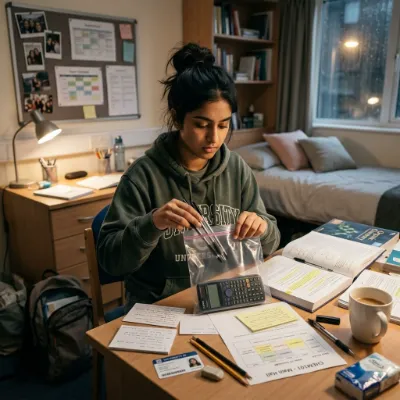
Pack everything you need the night before. Depending on the examination rules, this may include your admit card, stationery, identification documents, calculator, or other permitted materials. Reach the examination centre early so that you have enough time to settle down without rushing. (How to Face the Exam)

8. Read the Question Paper Carefully
Once the exam begins, don’t panic. Read the instructions carefully and understand the questions before answering. Start with questions you know well if the exam format allows it. Keep track of time and avoid spending too long on one difficult question.
Before submitting, use any remaining time to review your answers, calculations, question numbers, and required details.


You must be logged in to post a comment.