
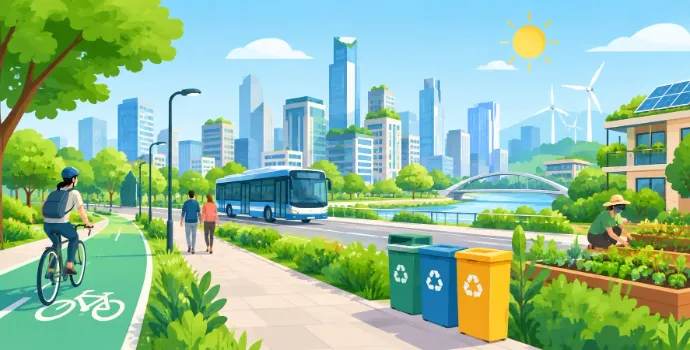
7 Best Ways to Improve the City: Knowing these methods helps you drive positive community change, boost sustainability, and elevate everyone’s quality of life.
Cities are the heart of modern life. They provide jobs, education, healthcare, transportation, and countless opportunities for people. However, rapid urbanization can also create problems such as traffic congestion, pollution, waste management issues, overcrowding, and a lack of green spaces. Fortunately, there are practical ways to make cities cleaner, safer, smarter, and more sustainable.
Here are the 7 best ways to improve the city and create a better quality of life for everyone.
Table of Contents
1. Improve Public Transportation
One of the most effective ways to improve a city is to develop a reliable and affordable public transportation system. Efficient buses, metro systems, local trains, and shared transportation can reduce the number of private vehicles on the roads.
Better public transport can help reduce traffic congestion, fuel consumption, and air pollution. Cities should also provide comfortable bus stops, digital information boards, dedicated bus lanes, and convenient ticketing systems. (7 Best Ways to Improve the City)
Encouraging people to use public transportation instead of private vehicles can make urban travel faster, cheaper, and more environmentally friendly.
2. Create More Green Spaces
Parks, gardens, tree-lined streets, and urban forests can significantly improve the quality of city life. Green spaces help reduce air pollution, control temperatures, support biodiversity, and provide residents with places to relax and exercise.
City authorities should protect existing parks and create new green spaces wherever possible. Planting native trees along roads and around public buildings can also make neighborhoods more attractive.
A greener city is not only healthier but also more pleasant and resilient to climate change. (7 Best Ways to Improve the City)
3. Strengthen Waste Management
Proper waste management is essential for maintaining a clean and healthy city. Poor garbage collection can result in unpleasant surroundings, blocked drains, pollution, and the spread of diseases.
Cities should promote waste segregation at source, separating wet, dry, recyclable, and hazardous waste. Regular door-to-door collection, recycling centers, composting facilities, and modern waste-processing plants can further improve waste management.
Public awareness campaigns can encourage residents to reduce plastic use, reuse products, and dispose of waste responsibly. (7 Best Ways to Improve the City)
4. Build Better Roads and Walking Infrastructure
Well-maintained roads are important for safe and efficient transportation. Cities should regularly repair damaged roads, improve drainage systems, install proper street lighting, and use effective traffic-management systems.
At the same time, cities need to become more pedestrian-friendly. Safe footpaths, pedestrian crossings, ramps, and dedicated cycling lanes can encourage people to walk or cycle for short distances.
Designing streets for pedestrians, cyclists, public transport, and vehicles can create safer and more accessible urban environments. (7 Best Ways to Improve the City)
5. Improve Public Safety
A successful city should be safe for everyone, including children, women, senior citizens, and people with disabilities. Better street lighting, CCTV monitoring in appropriate public areas, emergency response systems, and well-designed public spaces can improve safety.
Authorities should also properly maintain roads, sidewalks, parks, and public facilities. Community policing and public awareness programs can strengthen cooperation between residents and local authorities.
When people feel safe in their neighborhoods, they are more likely to use public spaces and participate in community activities. (7 Best Ways to Improve the City)
6. Use Smart City Technology
Technology can help cities provide services more efficiently. Smart traffic signals, online government services, digital parking systems, real-time public transport information, and smart streetlights can improve everyday life.
Cities can also use data to identify traffic problems, monitor pollution, manage water supplies, and improve emergency services. However, cities should introduce technology alongside strong privacy and cybersecurity practices. (7 Best Ways to Improve the City)
A smart city should use technology not simply to become more digital, but to become more efficient, inclusive, and convenient for its residents.
7. Encourage Community Participation
The people who live in a city understand its problems better than anyone. Therefore, residents should have opportunities to participate in decisions about local development. (7 Best Ways to Improve the City)
Municipal authorities can organize community meetings, online feedback systems, neighborhood improvement programs, and citizen surveys. Residents can also contribute by keeping their surroundings clean, planting trees, following traffic rules, conserving water, and supporting local initiatives.
Strong cooperation between citizens, businesses, and government agencies can make urban improvement projects more successful and sustainable.
Conclusion
Improving a city requires long-term planning and cooperation. Better public transportation, more green spaces, effective waste management, safer roads, improved public safety, smart technology, and active community participation can transform urban life. (7 Best Ways to Improve the City)
The best ways to improve the city are not limited to large government projects. Small actions by residents, businesses, and local organizations can also create meaningful change. By working together, communities can build cities that are cleaner, safer, greener, smarter, and better prepared for the future.
- Top Cartoon Characters of All Time
- The Most Amazing Street Discoveries
- Life Advice for the Younger Generation
- 5 Annoying Tropes in Books and Movies
- Top Books People Regret Reading and Why
Visit our “Etopcollection” and an educational website, “Dnyanjyot“