
5 Annoying Tropes in Books and Movies: Knowing annoying tropes helps you spot lazy writing, enjoy better stories, and write original plots.
Books and movies are meant to entertain, surprise, and take us into worlds beyond our own. Yet, some storytelling devices appear so frequently that they can become predictable and frustrating. While tropes are not automatically bad, their overuse can make even an otherwise interesting story feel repetitive. Here are 5 annoying tropes in books and movies that audiences often wish writers would use more creatively.
Table of Contents
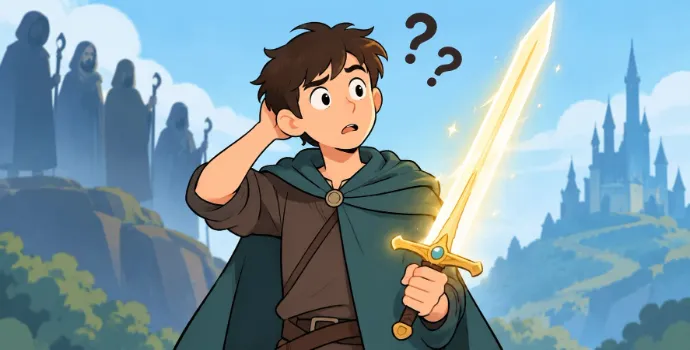
1. The “Chosen One” Who Has No Idea About Their Power
The ordinary teenager who suddenly discovers they are destined to save the world is one of the most recognizable tropes in fiction. At first, it can be exciting to watch an apparently normal character discover extraordinary abilities.
The problem comes when the same formula is repeated: the character has a mysterious past, discovers a hidden power, meets a wise mentor, and eventually defeats an ancient evil. This pattern can make a story feel predictable before the real adventure even begins.
A more interesting approach is to give the protagonist a choice. Instead of being destined to save everyone, perhaps they actively decide whether they want the responsibility. (5 Annoying Tropes in Books and Movies)
2. The Misunderstanding That Could Be Solved in Five Minutes
Few things are more frustrating than watching two characters suffer because they refuse to have a simple conversation. One character overhears half a sentence, makes an incorrect assumption, and spends the next several chapters—or an entire movie—angry at someone they love.
This trope is especially common in romance and family dramas. It can create conflict, but when the audience knows the truth and the characters could easily clear things up, the tension starts feeling artificial.
Strong storytelling creates conflict through genuine differences, difficult choices, or believable secrets rather than communication problems that could disappear with one honest conversation. (5 Annoying Tropes in Books and Movies)
3. The Villain Who Explains the Entire Plan
The villain finally captures the hero, has every advantage, and then decides to explain their entire evil plan instead of simply finishing the job. Naturally, this gives the protagonist enough information to escape and fight back. (5 Annoying Tropes in Books and Movies)
Although this trope can sometimes be intentionally funny, it becomes irritating when played seriously. A clever villain should have believable motivations and strategies—not conveniently reveal everything because the plot needs another ten minutes.
Villains become far more memorable when their actions speak louder than their speeches. (5 Annoying Tropes in Books and Movies)
4. The “It Was All a Dream” Ending
Dream sequences can be powerful storytelling tools. They can explore a character’s fears, memories, imagination, or subconscious thoughts. However, using an entire story as a dream and then revealing that “none of it really happened” can leave audiences feeling cheated.
The problem is that viewers and readers invest emotionally in the events they experience. If the ending suddenly removes the consequences of those events, much of that investment disappears. (5 Annoying Tropes in Books and Movies)
A dream can work well when it adds meaning to the story. It is far less satisfying when it exists mainly as a shortcut for avoiding difficult consequences.
5. The Convenient Last-Minute Rescue
Just when the protagonist is about to lose everything, someone unexpectedly arrives to save the day. Sometimes it is a previously forgotten character, a surprise army, or a conveniently timed superhero.
A last-minute rescue can deliver an exciting moment, but it becomes predictable when the hero has done little to earn the victory. The audience may start wondering, “Who is going to show up and fix this?”
A stronger ending allows characters to solve problems using skills, sacrifices, relationships, or decisions established earlier in the story. That makes the victory feel earned rather than magically delivered. (5 Annoying Tropes in Books and Movies)
Conclusion
Tropes themselves are not the enemy. In fact, familiar storytelling patterns can make stories accessible and emotionally satisfying. The real problem is overused tropes without a fresh twist. Great writers can take a familiar idea and turn it into something unexpected by giving characters realistic motivations, meaningful choices, and consequences. (5 Annoying Tropes in Books and Movies)
Whether you’re reading a novel or watching a blockbuster, the best stories are often those that make you think, “I didn’t see that coming.”
- Bravest Acts Done in Silence
- Heartwarming Stories to Inspire
- Memorable but Unfinished Reading
- The Most Amazing Street Discoveries
Visit our “Etopcollection” and an educational website, “Dnyanjyot“