
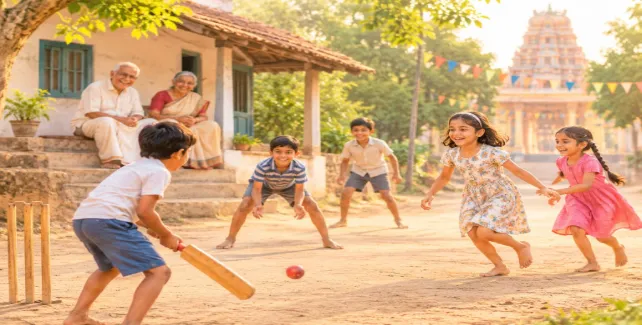
Explore reflections on the old days, childhood joys, traditional values, friendships, and lessons that make life meaningful.
The old days are always special because they are filled with beautiful memories, simple joys, and unforgettable experiences. When we look back at the past, we remember the moments that brought happiness, taught us valuable lessons, and made our lives meaningful. Although time changes everything, the memories of our childhood, family, friends, and old traditions remain close to our hearts. (Reflections on the Old Days)
Table of Contents
Important Points on Reflections on the Old Days
1. Beautiful Childhood Memories
- Childhood was one of the happiest periods of life.
- Playing outdoor games with friends, running in the streets, and enjoying holidays brought unlimited happiness.
- We had fewer responsibilities and more time to enjoy little things.
2. Simple Lifestyle
- Life in the old days was simple and peaceful.
- People were less dependent on modern technology and spent more time with family and friends.
- Simple activities such as reading books, listening to the radio, and playing outdoor games provided great entertainment.
3. Strong Family Relationships
- Families spent quality time together.
- Grandparents shared interesting stories, traditional values, and life experiences.
- Family gatherings and celebrations created unforgettable memories.
- People supported one another during difficult times.
4. True Friendship
- Friendships in the old days were often built on trust, love, and understanding.
- Friends played together, studied together, and helped one another.
- Even without mobile phones or social media, people maintained strong relationships.
5. Traditional Festivals and Celebrations
- Festivals were celebrated with great enthusiasm and togetherness.
- People decorated their homes, prepared traditional food, and visited relatives.
- These celebrations strengthened cultural values and social bonds.
6. The Joy of Outdoor Games
- Children enjoyed games such as cricket, football, kabaddi, hide-and-seek, and kho-kho.
- They spent hours playing outside instead of sitting in front of television or mobile screens.
- Outdoor activities helped children develop physical fitness, teamwork, and social skills.
7. Less Technology, More Human Connection
- In the old days, communication was mainly through letters, landline telephones, and face-to-face conversations.
- People eagerly waited for letters from loved ones.
- Conversations were more personal, and relationships often felt stronger.
- (Reflections on the Old Days)
8. Respect for Elders and Traditional Values
- Respecting parents, teachers, and elders was an important part of life.
- Children learned honesty, kindness, discipline, patience, and responsibility.
- Traditional values played an important role in shaping good character.
9. The Importance of Education
- Schools had a different atmosphere, with blackboards, notebooks, and traditional teaching methods.
- Students respected their teachers and enjoyed learning together.
- Education taught discipline, hard work, and the importance of knowledge.
10. Lessons from the Past
- The old days teach us to appreciate small moments in life.
- They remind us that happiness does not always depend on money, technology, or luxury.
- We learn the importance of relationships, kindness, gratitude, and togetherness.
- (Reflections on the Old Days)
Conclusion
Reflections on the old days bring a smile to our faces and sometimes tears to our eyes. Those days may never return, but their memories will remain with us forever. Modern life has provided us with many comforts and opportunities, but it is equally important to preserve the values and traditions of the past. We should learn from our memories, appreciate the present, and build a better future. After all, the old days may be gone, but the beautiful memories they created will live in our hearts forever.
- The Importance of Timely Wisdom
- How to Stay Resilient in Hard Times
- 7 things you should not ignore in life
- Importance of Forgiveness with a Memory
Visit our Etopcollection and “Dnyanjyot” educational websites.