
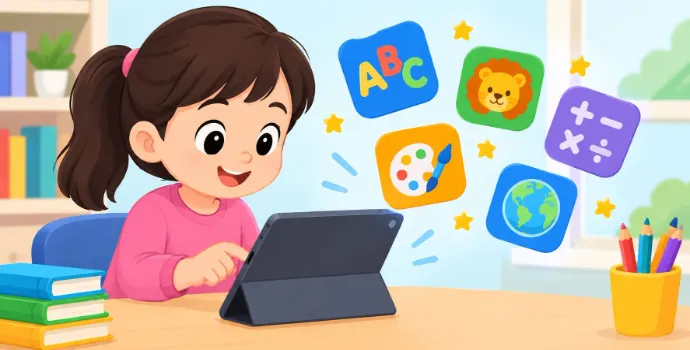
Kids Learning Apps: Kids learning apps are interactive digital programs designed to help children study through fun games.
Kids learning apps have become a convenient way to make education more interactive, engaging, and enjoyable. From learning ABCs and numbers to improving reading, mathematics, languages, science, and coding skills, the right educational app can turn screen time into meaningful learning time. In 2026, popular recommendations include Khan Academy Kids, Duolingo ABC, PBS Kids Games, Prodigy Math, Epic!, and ScratchJr, each serving different ages and learning goals.
Table of Contents
1. Khan Academy Kids – Best Overall Learning App
Khan Academy Kids is one of the most popular choices for early learners, particularly children aged around 2–8 years. It combines reading, phonics, mathematics, logic, drawing, stories, and social-emotional learning.
Key features:
- Interactive lessons and activities
- Early reading and phonics practice
- Basic mathematics
- Stories and educational videos
- Child-friendly interface
- Suitable for self-paced learning
It is frequently highlighted as a strong free option for young children.
2. Duolingo ABC – Best for Reading
Duolingo ABC focuses on early literacy and helps children develop foundational reading skills. It is particularly useful for children learning letter sounds, phonics, sight words, and basic reading.
Benefits include:
- Short, interactive lessons
- Phonics practice
- Letter and word recognition
- Reading activities
- Engaging game-style exercises
This makes it a useful choice for preschool and early-primary learners.
3. PBS Kids Games – Best for Learning Through Play
PBS Kids Games combines entertainment with educational activities. Games can introduce children to math, literacy, science, sequencing, and problem-solving while using familiar characters and stories.
Why parents may like it:
- Play-based learning
- Age-appropriate activities
- Multiple educational subjects
- Simple and engaging gameplay
- Suitable for younger children
- (Kids Learning Apps)
4. Prodigy Math – Best for Mathematics
For children who find mathematics boring, Prodigy Math turns practice into a game-like experience. Students solve math questions while progressing through an adventure-style environment.
Key advantages:
- Math practice through gameplay
- Curriculum-aligned activities
- Interactive challenges
- Motivating rewards and progression
- Useful for elementary-age learners
The game-based approach can make repeated math practice more appealing to children. (Kids Learning Apps)
5. Epic! – Best for Reading and Digital Books
Epic! is designed for children who enjoy reading and need access to a larger digital library. It offers books, audiobooks, and other educational content, making it useful for building regular reading habits.
Best features:
- Large digital book collection
- Audiobooks
- Reading-level options
- Different genres and interests
- Reading practice at home
- (Kids Learning Apps)
6. ScratchJr – Best for Beginner Coding
ScratchJr introduces young children to basic programming concepts without requiring advanced coding knowledge. Children can create simple stories, animations, and interactive projects.
It can help develop:
- Logical thinking
- Creativity
- Problem-solving
- Sequencing skills
- Basic programming concepts
Coding-focused apps such as ScratchJr are increasingly recommended for introducing computational thinking to younger learners.
7. What to Look for in a Kids Learning App
Before choosing an educational app, parents should consider:
- Age suitability: Choose content appropriate for the child’s development level.
- Educational value: Look for apps that teach measurable skills rather than simply entertaining.
- Interactive learning: Activities should encourage children to think, solve problems, read, or create.
- Progress tracking: Parent dashboards and progress reports can help monitor development.
- Safety and privacy: Check the app’s privacy policy, parental controls, advertisements, and purchasing options.
- Screen-time balance: Learning apps should complement books, outdoor play, creative activities, and real-world interaction.
Recent educational-app guides emphasize that the best apps combine age-appropriate content, interactive feedback, personalization, and meaningful skill development rather than simply maximizing screen time. (Kids Learning Apps)
Conclusion
Kids learning apps can make education more enjoyable while supporting important academic and creative skills. Whether your child needs help with reading, math, languages, science, or coding, there is an app designed for different ages and learning needs. Start with one or two high-quality apps, select activities appropriate for your child’s age, and use them alongside traditional learning methods for the best results.
Visit our Etopcollection and “Dnyanjyot” educational website.